
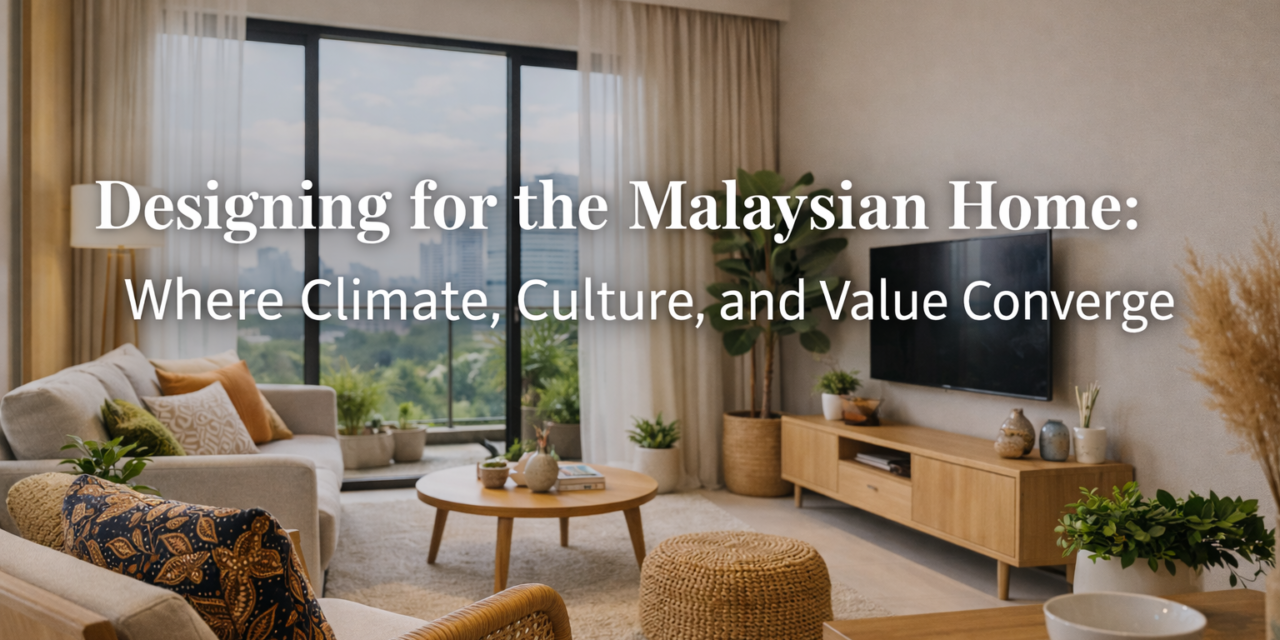
Malaysia’s residential landscape is evolving fast. As property prices climb and unit sizes compress, homeowners and developers are rethinking how interiors can do more with less — without sacrificing comfort, identity, or long-term value. The winning formula? Design that is climate-smart, culturally fluent, and commercially strategic.
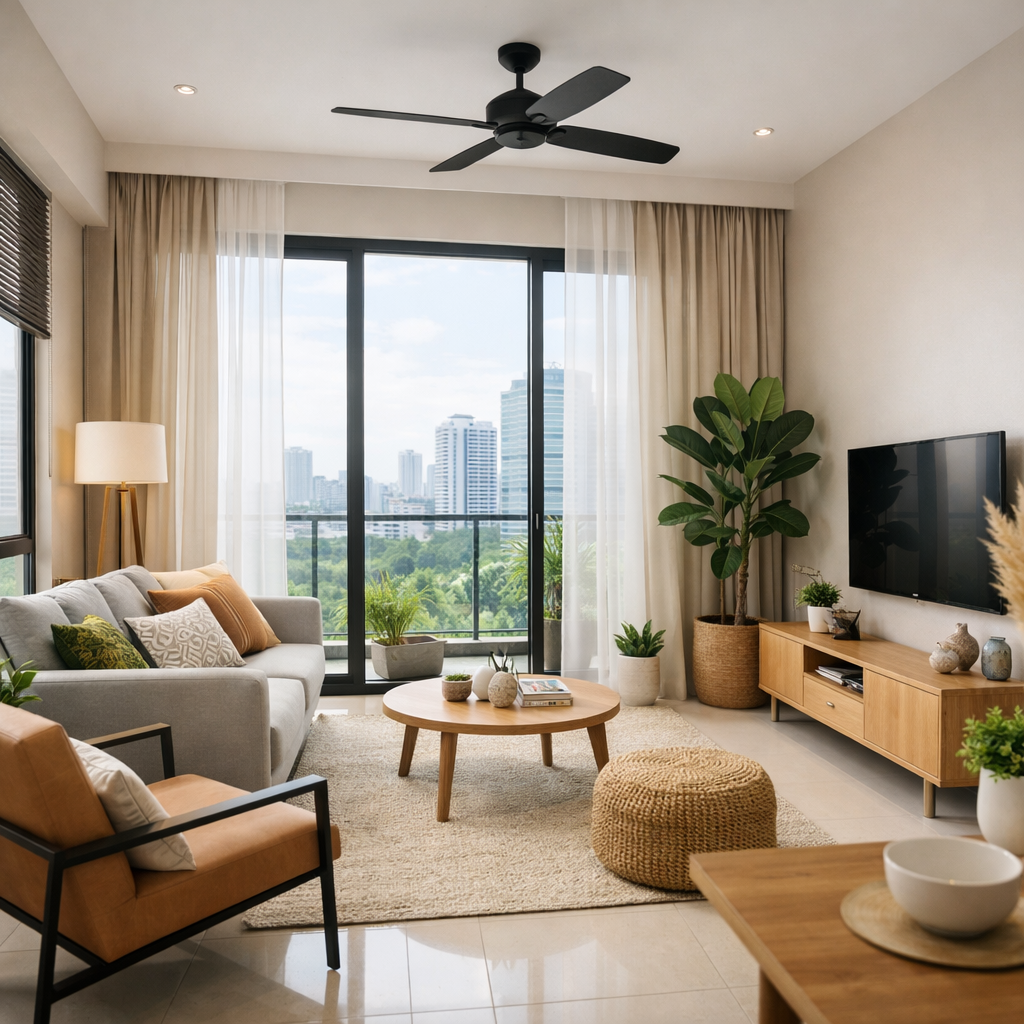
Climate-Responsive Design Is No Longer Optional
In a tropical country where heat and humidity are permanent residents, good interior design starts with environmental intelligence. Cross-ventilation, breathable materials, and heat-reducing finishes are becoming baseline requirements rather than premium add-ons. Light-coloured walls, reflective surfaces, and sheer window treatments help bounce light while keeping interiors cool — lowering reliance on air-conditioning and, by extension, energy costs. Sustainability here isn’t a trend; it’s operational efficiency in disguise.
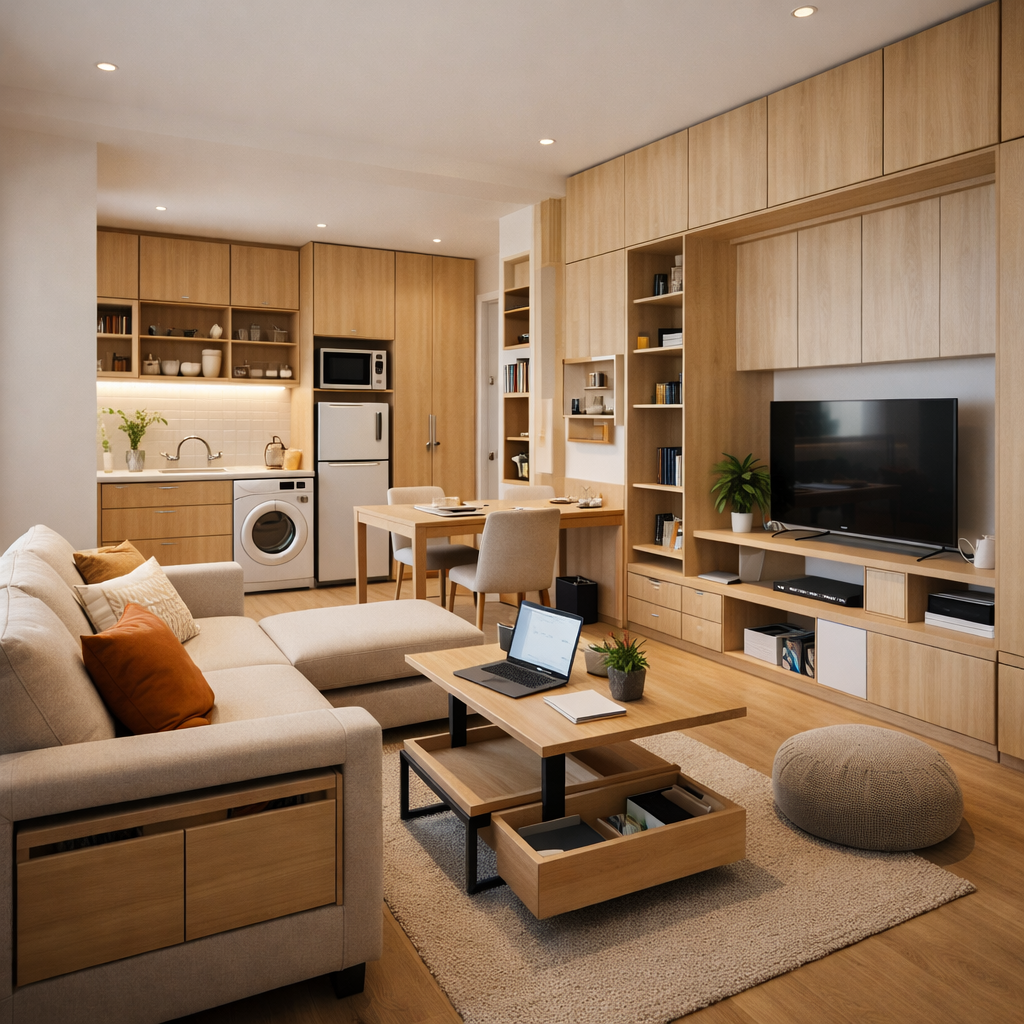
Small Spaces, Smarter Layouts
Urban Malaysian homes — particularly in Klang Valley, Penang, and Johor — are shrinking in square footage but growing in ambition. Open-plan layouts, multifunctional furniture, and built-in storage are driving better space utilisation. Designers are increasingly adopting “flex zones”: dining tables that double as workstations, bedrooms with concealed wardrobes, and living areas that reconfigure on demand. The KPI is simple — every square foot must justify its existence.
Local Materials, Global Aesthetic
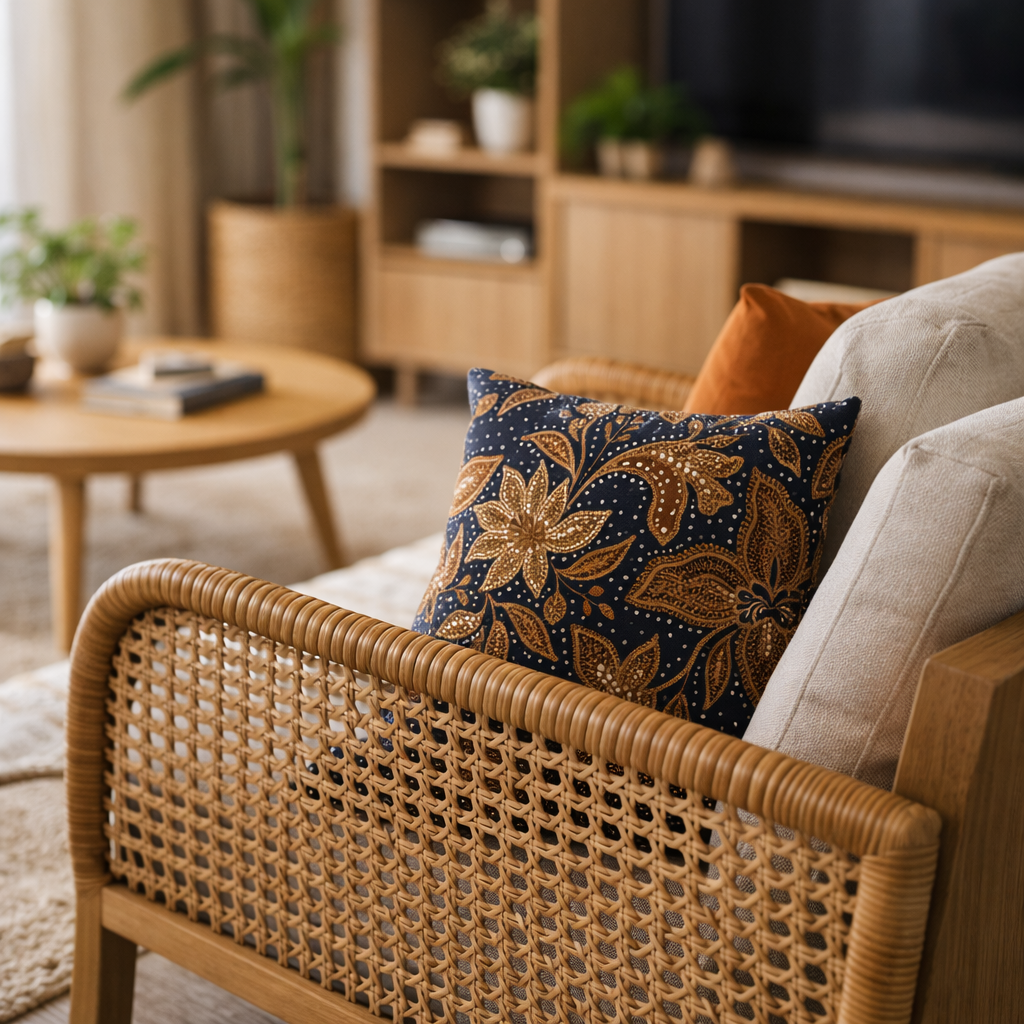
There is a noticeable pivot towards integrating local materials such as rattan, timber, terrazzo, and batik-inspired textures into otherwise contemporary spaces. This approach strikes a balance between modern minimalism and Malaysian cultural DNA. Beyond aesthetics, it also supports local craftsmanship and reduces material lead times — an underappreciated but powerful supply-chain advantage.
Design as a Property Value Multiplier
From an investment standpoint, interior design is no longer just about personal taste, it’s a value lever. Well-designed units photograph better, rent faster, and command stronger resale premiums. Developers are increasingly using interior styling as a differentiator, while landlords are recognising that modest design upgrades can significantly improve tenant quality and retention. In short, design is now part of the asset strategy, not an afterthought.
The Takeaway
In Malaysia, effective interior design sits at the intersection of climate logic, cultural relevance, and commercial impact. Homes that are thoughtfully designed don’t just look good; they perform better, live better, and age better. And in a competitive property market, that’s not just good design. That’s smart business.


![[Infographic] How To Prevent Robbery When Away From Home](https://insight.estate123.com/wp-content/uploads/2018/07/prevent-robbery_31340022-e1531196567966-440x264.png)
